Before Taking Business Premises in Birmingham: A Local Research Checklist
Use official Birmingham information to organise questions about rates, licensing, planning and transport before choosing premises.
Published
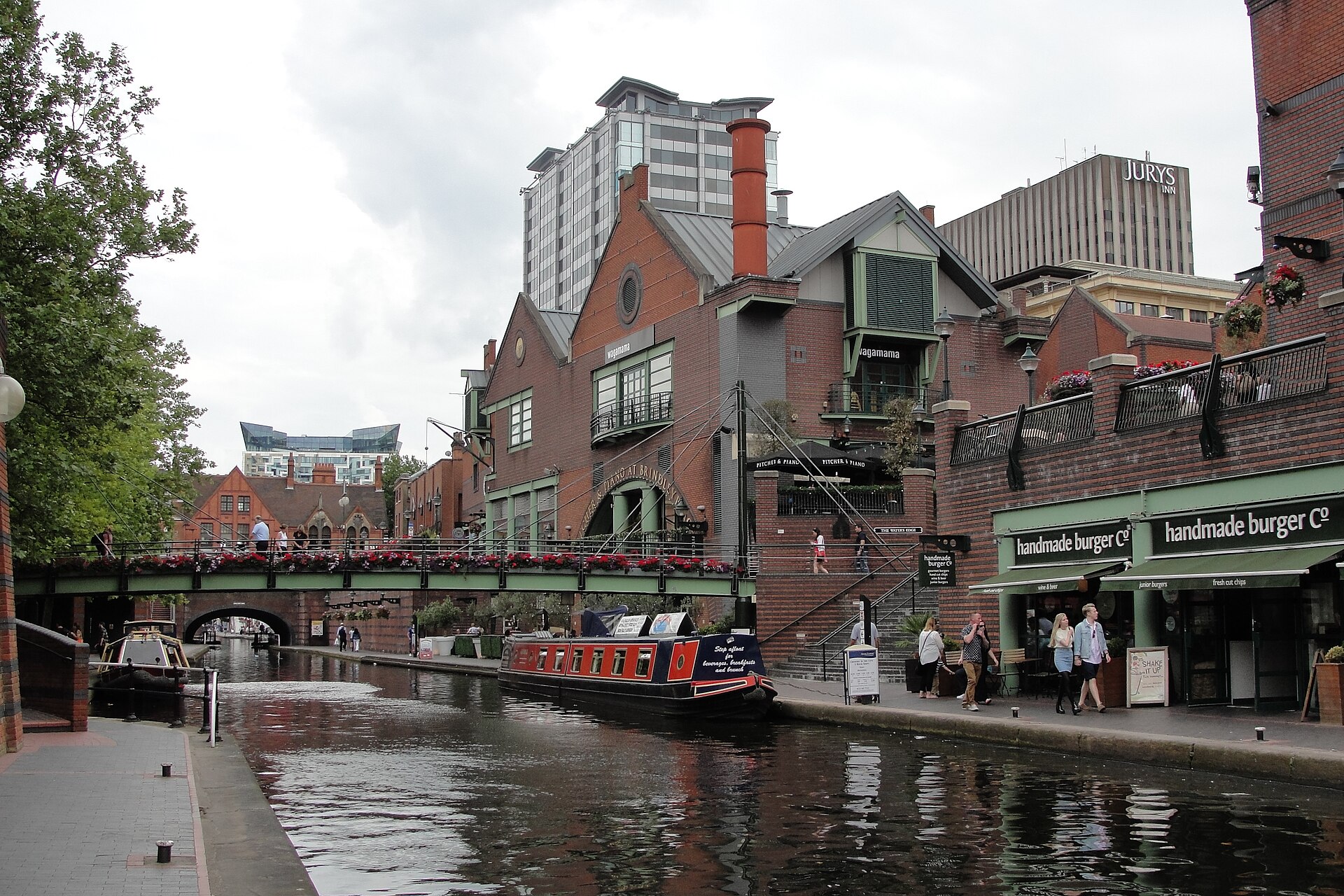

Before choosing business premises in Birmingham, build an address-specific record of the questions you need answered. Birmingham City Council’s business directory provides separate routes into business rates, licensing and commercial waste. Use those routes to investigate the premises you’re considering, while keeping planning and transport questions visible alongside them.[1]
Start With the Address and Intended Activity
Write a short description of what you intend to do at the premises before contacting the council. Include the full address, the space you expect to occupy, your proposed activity and any alterations you’re considering. Keep the same description across enquiries so that answers about rates, licensing and other questions relate to the same proposal.[1]
The directory is a signpost. It doesn’t establish the position of an individual property or confirm that a proposed activity can proceed there. Record each answer against the address, the activity described and any conditions in the response.[1]
Investigate Rates Before Building Your Budget
The council lists three useful starting points: who has to pay business rates, applying for a business rates reduction, and getting rating advice. Follow the route that answers your question rather than treating the existence of a reduction page as confirmation that you qualify.[1]
For each shortlisted property, ask what information is needed to establish the rates position and whether any reduction applies to your circumstances. Keep confirmed figures separate from estimates in your budget. If an answer depends on information you haven’t supplied, leave that cost unresolved until you have a response covering the actual premises and proposal.[1]
Keep Planning and Licensing Questions Separate
The business directory links to premises licence applications and changes, Temporary Event Notices, and the Licensing Act 2003 Public Register. These are different enquiries. Ask which route, if any, relates to the activity you’ve described, and investigate the relevance of any existing premises record to your proposal.[1]
Planning use and proposed alterations need their own questions. The business directory passage does not determine either for a specific address. Ask the council what evidence or further enquiry is needed, keeping any licensing response attached to the activity it actually addresses.[1]
It helps to maintain separate entries for the existing position, your proposed changes and unanswered questions. That prevents an answer about the premises as they stand from being reused as confirmation about a different business activity or alteration.[1]
Test the Journeys Your Business Would Depend On
Birmingham’s Clean Air Zone covers the city centre area inside the A4540 Middleway, excluding the Middleway itself. The council describes continuous operation and advises checking zone and charging information before travelling. For each candidate address, consider the actual vehicle journeys you would need to investigate, including deliveries and collections.[2]
The council’s Central Birmingham directory also lists movement, access and public-realm information, including entries for Cheapside, Digbeth and Snow Hill. Use the relevant entry when investigating a location. The directory labels alone cannot confirm an available loading point, a suitable entrance or an unrestricted route.[2]
Bring the Unanswered Questions to a Support Conversation
Commercial waste has its own entry in the council’s business directory, so include it in your operating-cost enquiries. For broader business questions, Business Growth West Midlands is a business-support service whose contact form invites businesses to discuss their goals and find out what support they are eligible for.[1][3]
Take a concise comparison of your shortlisted addresses to that conversation: what you intend to do, which answers you’ve received and which costs or permissions remain unresolved. Ask the support team which advice fits those gaps. Eligibility for a particular programme remains a question for the service.[3]
Sources and checks
These sources were used for this article. Availability, prices and service details can change after the stated check date.
- Business and licensing | Birmingham City Council
Checked 20 October 2026.
The council business directory provides routes into business rates, licensing and commercial waste. Rates entries cover liability, reductions and rating advice. Licensing entries include premises licence applications or changes, Temporary Event Notices and the Licensing Act 2003 Public Register. The directory passage does not determine planning use, consent, rates liability or licensing requirements for an individual property. The article recommends consistent address-specific enquiries and recording unresolved costs and permissions without asserting legal requirements.
- Central Birmingham | Birmingham City Council
Checked 20 October 2026.
The Clean Air Zone covers the city centre area inside the A4540 Middleway and excludes the Middleway itself. The council describes continuous operation and advises checking zone and charging information before travel. The directory lists movement, access and public-realm information, including Cheapside, Digbeth and Snow Hill entries. The directory passage does not establish loading arrangements, entrance suitability or street-specific restrictions.
- Business Growth West Midlands
Checked 20 October 2026.
Business Growth West Midlands provides a contact route to a local business-support team. The service invites businesses to discuss their goals and establish eligibility. The article recommends bringing specific unanswered premises questions to that conversation without promising programme eligibility.